Distilling a Taste of Cheshire: Our Honey Partnership with Three Wrens Gin

When my father, David and I first set out to build Buckley’s Bees, our vision was fuelled by an absolute, lifelong passion for apiculture and an evidence-based belief in the extraordinary role the honeybee plays in our world. Having spent my entire life learning from my dad’s incredible lifetime of more than eighty years in apiculture, I know that true sustainability is about connecting people to nature in unexpected, delightful ways.

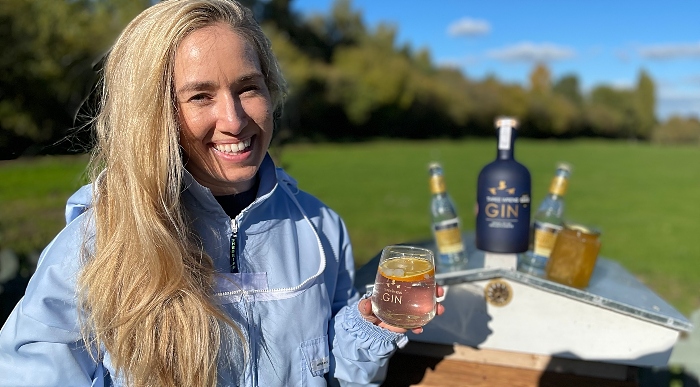
That is why we are absolutely delighted to share a wonderful local collaboration right here in South Cheshire. Our incredible bees have teamed up with the award-winning team at Three Wrens Gin in Combermere, near Nantwich, providing the signature sweet ingredient for their spectacular, gold-medal-winning London Dry Gin.


Our Core Aims

  • Sustainably reverse the decline of the native honeybee population in the UK.
  • Raise the profile and importance of the honeybee within the wider ecosystem.
  • Enhance the viability and success of natural pollination and other wild pollinators.
  • Holistically maximise and balance the environment, habitat and health of the bees.
  • Create engagement and green employment opportunities.
  • Educate people and encourage future generations of traditional beekeepers.
 

A Shared Philosophy on Provenance

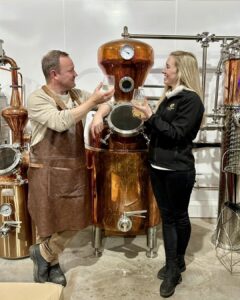
Nick Wadeson founded Three Wrens Gin in 2019 out of a beautiful woodland distillery, where every single batch of gin is made entirely by hand in a traditional 50-litre copper pot still named Valerie. Nick’s dedication to quality and local provenance mirrors our own ethos perfectly. When he was developing his new London Dry Gin, he wanted to source a pure, local honey that carried the true flavour of the Cheshire countryside.

Honey has a remarkable, softening effect on gin, rounding out the botanicals and imparting a delicate, natural smoothness that sugar or artificial sweeteners simply cannot replicate. As Nick kindly shared:

“We’re really keen on provenance and Buckley’s Bees have a similar philosophy to us. Their honey is amazing and we’re delighted that they can supply us.”

We were absolutely thrilled to hear that Three Wrens London Dry Gin has just scooped a prestigious Gold Medal at the Global Gin Masters 2022. Knowing that our bees played a small part in crafting a world-class spirit is an incredibly proud moment for our family business.
 

More Than Just Sweetness: The Vital Role of Pollinators

While the honey our bees produce is undeniably popular, it is never the core focus of why we keep bees. Our motivation has never been profit; it is a genuine desire to make a difference to our environment. As registered members of the British Beekeepers Association (BBKA) and the Bee Improvement and Bee Breeders’ Association (BIBBA), we support numerous scientific studies focused on the health, habitat and sustainable propagation of the native British honeybee (Apis mellifera mellifera).

Every drop of honey harvested from our hives is a testament yet again to the vast, quiet work that bees perform every single day. As pollinators, they are absolutely vital to maintaining stable, healthy and biodiverse food supplies. Without them, the vibrant wild flora and the rich agricultural crops that carpet Cheshire would struggle to survive.

Through our corporate hive management scheme and our dedicated beekeeping courses for both professionals and amateurs, we are working to ensure a perfect ecological balance is present across the region. By educating our communities and local businesses, we hope to secure a safer, blossom-rich future for all native pollinators.

We want to extend our heartfelt congratulations to Nick and the entire team at Three Wrens Gin. It is a joy to work alongside fellow independent creators who respect the land as much as we do.


Support Local, Protect Our Pollinators

You can pick up a bottle of the award-winning Three Wrens London Dry Gin directly from their online store and you can find our raw, unpasteurised Buckley’s Bees honey stocked with wonderful independent suppliers right across the Cheshire area. By buying locally sourced honey instead of mass-produced, heat-treated supermarket blends, you are directly supporting the traditional beekeepers who look after our native environment.

Learn More About Our Beekeeping Courses or contact Emma and the team today to find out how your business can partner with us to support the British bee.

Is Honey Sustainable? Emma Buckley Joins the ‘Sustainably Influenced’ Podcast

At Buckley’s Bees, our philosophy has always been “Bees First.” Whether we are managing hives for our corporate partners or breeding native queens in our own apiary, the health of the pollinator is our primary motivation. But in a world of industrial farming and global exports, a big question often arises: Is honey truly sustainable?

Our very own Emma Buckley recently sat down with Bianca Foley on the Sustainably Influenced podcast to dive deep into this topic.


Bridging Tradition and Innovation

The episode explores how Emma is transforming the family business, built on the 65+ years of experience shared between her and her father, David, into a modern force for good. In an industry traditionally dominated by the older generation, Emma is championing a fresh approach: the Beecause Campaign.

This initiative isn’t just about making honey; it’s about enhancing the viability of natural pollinators and ensuring that the ancient craft of beekeeping is passed down to a diverse, younger generation.


Key Themes from the Conversation:

  • Ethical vs. Industrial: Why local, smaller-scale beekeeping is essential for the welfare of the bees compared to intensive, industrial honey production.
  • The Power of Local: How supporting independent, UK-based beekeepers helps protect our local ecosystems and reduces the carbon footprint of your pantry staples.
  • Beyond the Hive: The role of pollinators in the wider environment and why our work with business partners like Bentley Motors, Yeo Valley and Taylor Wimpey is focused on long-term biodiversity, not just short-term yield.
  • Female Leadership: Emma’s journey as a female entrepreneur in a male-dominated field and her mission to create new opportunities for aspiring beekeepers.


Why This Matters

Sustainability isn’t just a buzzword; it’s a practice. During the episode, Bianca and Emma discuss the importance of being an informed consumer. We often point toward research, such as Ethical Consumer’s guide to honey and academic studies on pollinator health, to show that where your honey comes from matters.

When honey is produced ethically, with respect for the colony’s winter stores and the local flora, it is one of the most beautiful, natural products on earth.


Listen Now

We invite you to grab a cup of tea (sweetened with a spoonful of local honey, of course!) and listen to the full episode below.

To find out more about how your organisation can support the BEEcause Campaign or host your own sustainable hives, contact the Buckley’s Bees team today.

The Plight of the Humble Bee: David and Emma Buckley Talk ‘Organic September’

As we move into September, the air begins to cool and our bees are hard at work preparing their stores for the winter months ahead. It is also Organic September, a month dedicated to celebrating the benefits of organic food and farming for our planet.

To mark the occasion, David and Emma Buckley were invited onto the Sustainable(ish) podcast with Jen Gale, in partnership with Organic UK. Together, they explored the vital relationship between the way we farm and the survival of our most precious pollinators.


Why ‘Organic’ Matters to the Hive

In David’s 80 years with the bees, he’s seen the landscape change drastically. Since the early 1900s, the UK has lost 98% of its natural wildflower meadows. This loss of habitat, combined with the rise of intensive chemical farming, has led to a startling decline: every square kilometre in the UK lost an average of 11 species of bee and hoverfly between 1980 and 2013.

However, there is hope. Research shows that plant, insect and bird life is 50% more abundant on organic farms. By choosing organic, we aren’t just eating healthily; we are voting for a landscape where bees can thrive without the threat of harmful pesticides.


Discussion Highlights:

  • The £1.8 Billion Workers: Did you know it would cost UK farmers an estimated £1.8 billion annually to pollinate crops manually if our wild bees disappeared?
  • A Century of Change: Comparing the 270,000 active hives in the UK today to the one million we had in 1900.
  • The Power of Local: Why David and Emma advocate for local honey over “blended” supermarket varieties to support British biodiversity.
  • The ‘Humble’ Bee’s Role: A deep dive into why bees are the cornerstone of our food system.


Top Tips for Your Own Garden

During the episode, David and Emma shared some simple, holistic ways you can help the bees from your own back step:

  • Mow Less: Let your lawn flower! Dandelions and clover are a vital early-season food source.
  • Hydration Stations: Leave a shallow dish filled with marbles and water so bees can drink without the risk of drowning.
  • Plant for the Seasons: Choose bee-friendly seeds that flower at different times of the year.
  • Buy Organic: Support the farmers who are looking after the soil and the pollinators.


Listen to the Episode

Whether you are a seasoned beekeeper or someone just looking to make a small difference, this episode is packed with “Sustainable(ish)” advice that anyone can follow.

We are so proud to see Emma and David leading the conversation on pollinator health. If you’re inspired to help reverse the decline of the native honeybee, explore our Sponsorship and Hive Hosting opportunities.

Back to Our Roots: Reversing the Decline of Britain’s Native Honeybee

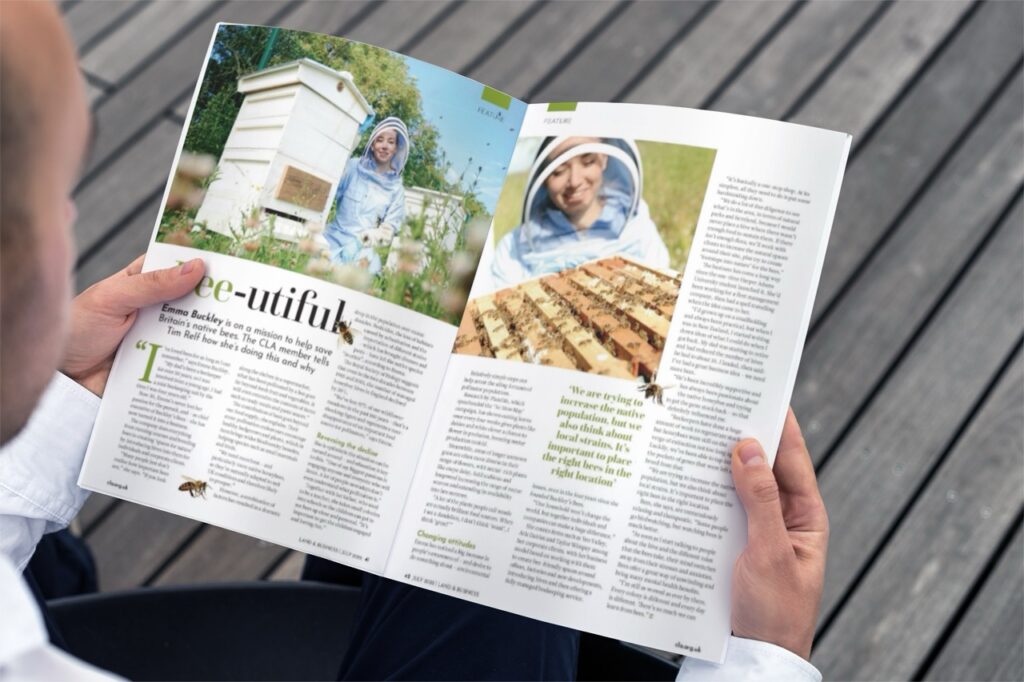
The CLA article being read on an iPad

Country Land and Business Association logo I have loved bees for as long as I can remember. My dad has been a beekeeper for over 50 years, so I was fully immersed in the craft from a very young age. In fact, by the time I was just four years old, I was running around the yard in my very own mini beekeeping suit!
That early passion never faded. After studying at Harper Adams University and working at a senior level in a global fleet management company, I spent some time travelling in New Zealand. It was there, while writing down ideas of what I wanted to achieve next, that the spark truly hit me. My dad was starting to retire and had reduced his hives to about ten. The moment I landed back in the UK, I told him: “I’ve had a great business idea—we need more bees.”

He has been my biggest supporter ever since. Dad has always been incredibly passionate about the native honeybee and reclaiming our historic gene stock. We were absolutely delighted to share this journey recently with the Country Land and Business Association (CLA), exploring how we are turning that lifelong family devotion into a nationwide movement to protect our native pollinators.


Our Core Aims

  • Sustainably reverse the decline of the native honeybee population in the UK.
  • Raise the profile and importance of the honeybee within the wider ecosystem.
  • Enhance the viability and success of natural pollination and other wild pollinators.
  • Holistically maximise and balance the environment, habitat and health of the bees.
  • Create engagement and green employment opportunities.
  • Educate people and encourage future generations of traditional beekeepers.


A Native Species in Crisis

Many people simply do not realise how profoundly important bees are to our daily lives. If you look along the shelves of your local supermarket, the items that rely on bee pollination extend far beyond fresh fruit and vegetables. Their work directly impacts the ingredients inside everyday essentials like ready meals and pasta sauces. Beyond our food supply, their cross-pollination endeavours encourage healthy, thick hedgerows and wild flora, which in turn provides vital habitats and food for small mammals and birds.

We desperately need more bees – and particularly more native honeybees (Apis mellifera mellifera). Because they are naturally adapted to suit unpredictable British weather conditions, they are far more resilient and likely to prosper.

Tragically, our native species has been pushed into a quiet crisis. A devastating combination of pesticides, urbanisation leading to severe habitat loss and the heavy importation of foreign strains—which introduces aggressive traits and exotic diseases—has caused populations to plummet. The Royal Society of Biology suggests that between 1985 and 2005 alone, the number of managed honeybee hives in England declined by 50%. Even more shocking is that the UK has lost 97% of its wildflower meadows over the past 100 years, representing a near-disappearance of the primary food source for our pollinators.


Simple Steps to Arrest the Decline

Reversing this trend does not always require monumental changes; relatively simple actions can make a massive difference. For instance, research from our peers at Plantlife has shown that taking part in initiatives like ‘No Mow May’ or simply cutting lawns just once every four weeks gives low-growing plants like dandelions, daisies and white clover a chance to flower in profusion. This small shift can boost local nectar production tenfold.

Leaving areas of longer, unmown grass allows nectar-rich plants like oxeye daisy, field scabious and knapweed to flourish, extending food availability right into the late summer. A lot of the plants people traditionally call weeds are actually magnificent food sources – after all, weeds are just plants that are in the wrong place. When I see a dandelion popping up through the grass, I don’t think “weed” – I think, “Brilliant, a great meal for the bees!”

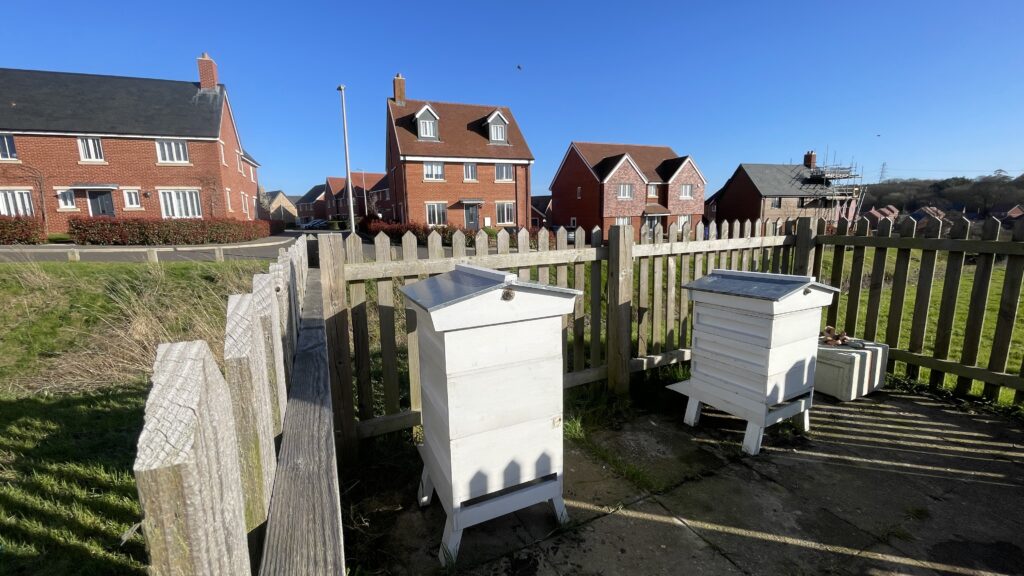
One of the Taylor Wimpey aviarys

Partnering with Responsible Industry

Over the years, we have noticed a beautiful shift in public awareness and a genuine desire from businesses to take environmental action. Today, Buckley’s Bees works alongside exceptional corporate clients like Yeo Valley, Arla Dairies and Taylor Wimpey to transform corporate spaces into thriving sanctuaries for nature.

Our business model acts as a fully managed, one-stop shop. For many organisations, all they need to do is provide a flat piece of hardstanding ground on their site. From there, we handle the rest. However, because we are strictly registered members of the British Beekeepers Association (BBKA) and the Bee Improvement and Bee Breeders’ Association (BIBBA), our work is deeply rooted in ecological care:

  • Rigorous Due Diligence: We never blindly drop a hive into a location. We carefully assess local parks, green spaces and farmland to ensure there is an abundance of foraging material available so our honeybees never outcompete local wild pollinators.
  • Habitat Creation: If a site lacks sufficient flora, we collaborate directly with the client to seed wild areas, creating seamless “footsteps into nature” for the bees.
  • Localised Breeding: Honeybees were on the verge of extinction not too long ago. By tapping into the remaining pockets of native genes, we selectively breed our own queens and colonies for gentle, hygienic and hardy traits. We always prioritise placing the right local strains in the right locations.


The Therapeutic Power of the Hive

Beyond the immense environmental benefits, working with bees offers incredible rewards for human wellbeing. Watching a colony at work is a tremendously relaxing and deeply therapeutic experience.

Whenever we run employee engagement days or beekeeping courses, I watch people’s mindsets shift instantly. The moment you start learning about the complex social structures, the fluid roles and the collective teamwork taking place inside the hive, your mind switches completely away from daily corporate stresses and anxieties. It is a wonderful way to unwind and brings immense mental health benefits to corporate teams.

Our motivation at Buckley’s Bees has never been driven by commercial profit, but by a passionate, lifelong desire to safeguard the British countryside. Every colony is beautifully unique, every single day on the farm is different and I am still just as wowed by these incredible creatures as I was when I was a four-year-old in a miniature bee suit.


Create a Space for Nature at Your Work

Whether you are a landowner looking to enhance biodiversity or a corporate business aiming to deliver on meaningful sustainability targets, we would love to help you make a difference. Let our UK-wide team of expert freelance beekeepers manage the hives while your staff enjoy an infectious, unforgettable connection to the natural world.

Explore Our Managed Hive Services or get in touch with our team today to discover how your organisation can help save the British bee.

There’s a Buzz in the Woods: Why the Forest is the Honeybee’s Natural Home

A corporate bee hive surrounded by wildflowers.

When people think of honeybees, they often picture a tidy row of white hives sitting on the edge of a manicured garden or a sweeping field of agricultural oilseed rape. But if you look back through history—as I have over my lifetime of more than twenty years in apiculture—you remember a fundamental truth: the forest is the honeybee’s true, ancestral home. They are, by their very nature, tree dwellers. A single tree of certain species in full canopy can provide an abundance of pollen and nectar that equates to an entire acre of pastureland.

We were absolutely delighted to share this passion in a featured piece for the Royal Forestry Society, exploring why encouraging bees back into our British woodlands is one of the most effective ways to restore ecological balance to our countryside.

Over 80 Years of Collective Passion

Buckley’s Bees was born from a lifetime of hands-on experience and an evidence-based belief in the extraordinary value of the honeybee and the good they do in the world. Founded as a father-and-daughter team alongside my father David, our roots run deep into the history of British beekeeping. As the eldest surviving member of the Bee Improvement and Bee Breeders’ Association (BIBBA), David’s focus has always been on looking after the welfare of the bees themselves, working with nature rather than trying to force it.

Through our BEEcause campaign, we are incredibly proud to be introducing sustainable beekeeping to entirely new places and younger generations. We work alongside schools, local communities and forward-thinking businesses to elevate the profile of all pollinators, helping people better understand how to protect and enhance the delicate environments around them.

Alongside this education, Buckley’s Bees prides itself on its dedicated bee breeding programme. We focus entirely on the sustainable propagation of local bees to reverse the decline of the UK native honeybee. By breeding for desirable native traits like docility and hygienic behaviour, we raise incredibly calm, resilient colonies. In fact, because of their gentle nature, I rarely ever wear gloves when handling our bees—they are a absolute joy to work with.

Our Core Aims

  • Sustainably reverse the decline of the native honeybee population in the UK.
  • Raise the profile and importance of the honeybee within the wider ecosystem.
  • Enhance the viability and success of natural pollination and other wild pollinators.
  • Holistically maximise and balance the environment, habitat and health of the bees.
  • Create engagement and green employment opportunities.
  • Educate people and encourage future generations of traditional beekeepers.

The Symbiosis of the Forest

As registered members of the British Beekeepers Association (BBKA) and BIBBA, our work supports a number of scientific studies and projects focused on the health and wellbeing of bees. This research consistently shows that woodlands act as a massive, rich larder for pollinators, offering a diverse seasonal diet of nectar, pollen and honeydew.

But this relationship is a two-way street. Bees are profoundly beneficial to the health of a forest:

  • Generational Growth: Their quiet work pollinating trees and wild flora results in the seeds and fruit needed for these plant species to reproduce and thrive.
  • Supporting the Wider Ecosystem: Healthy seed and fruit production creates essential food and habitats for a vast web of wildlife, including native mammals, birds, insects and bats. There is a whole ecosystem that relies on their pollination!

We manage these hives on behalf of businesses nationwide who have opted in to support the BEEcause campaign. Our ultimate aim is environmental sustainability and ensuring a perfect ecological balance is always present, meaning we never overcrowd an area or push out local wild pollinators.

What to Plant: Creating a Woodland Haven

To truly encourage pollinators back into our woods, we must look at the landscape holistically. A rich canopy and a diverse understory make all the difference. Key forest trees and plants that offer maximum benefit include:

  • Deciduous Trees: Chestnut, lime, oak, hawthorn, blackthorn, hazel, sycamore, acacia and various native willows.
  • Wild Fruit: Most fruit trees—such as apple, pear, cherry, plum and damson—alongside woodland ground cover like wild strawberries and raspberries.

The numbers speak for themselves: just three acres of wildflower patches nestled within a forest can hold nearly nine million flowers. That is enough to sustain over half a million pollinators every single day.

Simple Actions, Massive Scale

Our motivation has never been profit; it is a genuine, lifelong desire to safeguard the future of the British countryside. If everyone – from large landowners and forestry businesses to residential homeowners – makes a small change, the collective impact on our pollinator populations will be monumental.

We encourage businesses and individuals alike to think twice before cutting down mature trees or clearing away hedges and bushes. Instead, let’s leave space for nature to manage itself, keep our woodlands as wild and diverse as possible and welcome the incredible life that returns when we do.

Partner With Us to Restore Our Woodlands

Are you a landowner, forestry manager, or business looking to host hives and boost biodiversity on your land? Hosting managed Buckley’s Bees hives is a practical, scientifically backed way to support natural pollination, fund vital pollinator research and breathe life back into local ecosystems.

Get in touch with our team today to find out how we can work together to protect the UK’s native honeybees.

The Corporate Buzz: Why British Businesses are Investing in the Native Black Bee

When my father, David, and I first set out to build Buckley’s Bees, our vision was fuelled by an absolute, lifelong passion for apiculture and an evidence-based belief in the extraordinary role the honeybee plays in our world. As a family, we hold over eighty years of collective beekeeping experience. My dad is the eldest surviving member of the Bee Improvement and Bee Breeders’ Association (BIBBA) and beekeeping is quite literally in my DNA. After studying agri-business at Harper Adams University and working in the corporate sector, I saw a vital opportunity: to bridge the gap between corporate sustainability goals and genuine, scientific pollinator conservation.

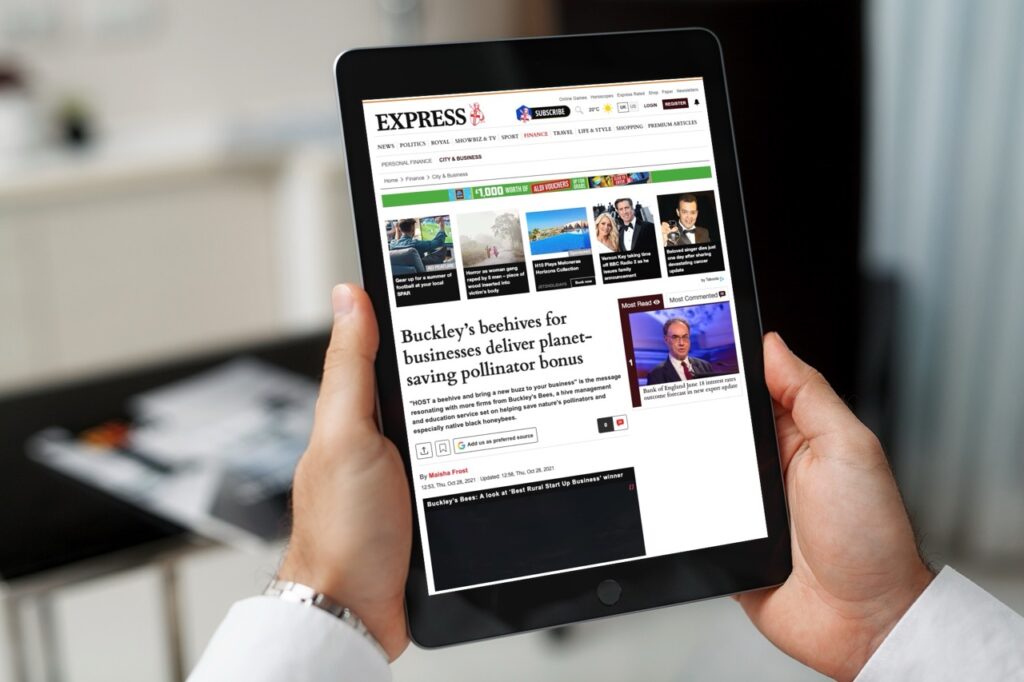
We were thrilled to see this mission featured nationally in The Daily Express, highlighting how our corporate hive management and education scheme is delivering a genuine, planet-saving bonus across the UK.

Our Core Aims

  • Sustainably reverse the decline of the native honeybee population in the UK.
  • Raise the profile and importance of the honeybee within the ecosystem.
  • Enhance the viability and success of natural pollination and other pollinators.
  • Holistically maximise and balance the environment, habitat, and health of the bees.
  • Create engagement and green employment opportunities.
  • Educate people and encourage future generations of traditional beekeepers.


The Power of Local Breeding vs Imports

At the very heart of Buckley’s Bees is our dedicated queen and colony breeding programme. We are deeply committed to reversing the decline of the native British black honeybee (Apis mellifera mellifera).

Unlike some operations, we never dilute our stock with imported bees. While imports are often used across the industry to artificially spike honey production rates, they disrupt the local ecological balance and frequently result in more aggressive, unstable colonies. Not to mention the significant risk of introducing foreign pests and diseases. By breeding our own queens locally, we ensure superb health, excellent hygiene and high winter survival rates. More than that, we select for gentle, docile traits. It is because of this careful, patient breeding that my dad rarely ever needs to wear gloves when he is handling our bees—they are an absolute joy to look after!

Through our growing network of dedicated freelance beekeepers, we are establishing pockets of these resilient, native hives all across the countryside.


Bridging the Gap for Modern Businesses

The environmental message is finally being taken to heart and forward-thinking firms are realising that a balanced ecosystem is the ultimate foundation for a sustainable future. We make engaging with nature entirely accessible for businesses, whether they have the physical space to host an active apiary on-site or choose to sponsor a hive remotely. Today, our wonderful corporate clients include the likes of Taylor Wimpey, organic pioneers Yeo Valley and Bentley Motors.

To host a managed hive, all a business needs is a relatively flat and stable surface in a temperate spot, protected from severe frost and damp. From there, our expert team handles the rest:

  • Full Hive Management: We supply the hives (crafted entirely from sustainably sourced wood) and provide year-round expert care.
  • Foraging Balance: We monitor local flora to ensure excellent food levels for our bees and neighbouring wild pollinators, always maintaining a healthy ecological balance.
  • Employee Engagement: We run tailored beekeeping courses and hands-on hive experiences that get staff up close with the colonies—providing a massive boost to colleague welfare and team connection.

While the honey our bees produce is incredibly popular, it is never the core focus of what we do. Our motivation has never been profit; it is a genuine desire to drive education and awareness.


Bringing the Hive into the Community

Beyond the corporate world, our BEEcause campaign takes this vital message directly to schools, organisations and local communities. We regularly load up our purpose-built observation hive – a safe, completely transparent structure containing a living, working colony – and head out to agricultural shows, festivals, and classrooms.

Watching a child or an employee see a live colony at work for the first time opens a massive doorway. It allows us to demonstrate the exact mechanics of pollination using real flowers and props, showing people how seamlessly our entire ecosystem is woven together.

When people ask us how they can support local beekeepers in their everyday lives, our advice is always simple: buy local honey. Avoid the mass-produced, heat-treated supermarket blends that have had their natural goodness stripped away. By sourcing raw honey directly from a local apiary, you preserve the natural nutritional benefits and directly support the people doing the quiet, vital work of keeping our skies buzzing.


Bring a New Buzz to Your Business

Are you ready to elevate your company’s sustainability credentials and give your team an infectious connection to the natural world? Whether you wish to host an apiary on your grounds or fund a native hive through our corporate sponsorship scheme, we would love to welcome you on board.

Explore Corporate Hive Packages or get in touch with our Crewe team today to discover how your business can play a hands-on role in safeguarding the future of the British bee.

From a Childhood Dream to a Nationwide Mission: An Interview with Emma Buckley

Buckley's Bees owner Emma Buckley

When you picture a traditional British beekeeper, what is the first image that pops into your head? For most, it is an elderly lady or gentleman spending his/her retirement years tending to a hive in a quiet corner of an orchard. Statistically, the average age of a beekeeper in the UK is 66. But right here in Cheshire, we are doing things a little differently.

I was absolutely delighted to sit down with The Crewe Commons for an interview to share my story as a 26-year-old beekeeping entrepreneur and to discuss how our family business is working to shake up the industry and inspire a completely new generation of pollinator champions.


Emma and David Buckley

A Passion Rooted in Family History

My love for all things apiculture isn’t a hobby I picked up recently; seemingly it is stitched into my DNA! My dad, David, has been a dedicated beekeeper for over 53 years, spending decades producing pure honey for local businesses and communities across Cheshire. Growing up on our family livestock farm near Nantwich, I was quite literally raised around the hives. I grew up with the bees, learned to respect them from a tiny age and always held an absolute, deep-rooted fascination for them.

I knew from the moment I was at primary school that I wanted to run my own business one day—I even remember explicitly telling my teacher that was my goal! Originally, I studied sport at Reaseheath College near Nantwich in my late teens, but I quickly realised my heart wasn’t in it. My compass kept pointing me back toward agriculture and entrepreneurship.

To turn that passion into a reality, I headed to Harper Adams University in Shropshire to study a degree in Agricultural Business. During my time there, I knew that if I was going to launch a successful venture, it needed a completely unique niche – something that hadn’t been done before in the traditional UK beekeeping sector.


The Lightbulb Moment in New Zealand

The true turning point came during a trip to New Zealand. While on the other side of the world, I had the incredible opportunity to see how commercial bees are managed on foreign soils. I quickly realised how drastically different their progressive beekeeping methods were to the traditional practices back home.

Right then, a lightbulb switched on in my mind. I realised that what I had sitting right at my fingertips back in Cheshire was something incredibly special that most people could only dream of. Even better, I was immensely lucky to have my dad’s 53 years of traditional, expert knowledge ready to tap into.

While harvesting honey has always been a beautiful part of our lives, I knew I wanted to take the family business to the next level. I didn’t want to just sell jars of honey; I wanted to build a platform to educate people about bees and show them exactly how vital these creatures are to human life.


Why Saving the Honeybee is a Necessity

Honeybees are the world’s most important individual pollinator species, performing a quiet, tireless task that is completely vital to the survival of global agriculture. Albert Einstein famously quoted: “If the bee disappears from the surface of the earth, man would have no more than four years to live.” That stark warning highlights exactly why our mission is so critical.

A massive driving point for me is tackling the fact that so many people simply do not realise how much we rely on them. If you walked down a supermarket aisle and removed everything pollinated by a bee, the shelves would empty significantly – by at least a third! It isn’t just foods like strawberries and apples that would vanish; a huge portion of what we feed livestock comes directly from bee pollination, meaning our entire meat and dairy supplies would also face a catastrophic collapse without them.

Our motivation at Buckley’s Bees has never been driven by commercial profit, but by a genuine, passionate desire to safeguard our countryside and reverse the decline of our native honeybee species. Today, we are proud to look after nearly 40 thriving colonies, ensuring that our stock is carefully bred for gentle, hygienic and hardy traits.


Clearing Up Misconceptions

One of the biggest hurdles we face is the common misconception that bees are aggressive or dangerous. People constantly confuse their behaviour with that of wasps!

In reality, honeybees are incredibly docile, peaceful creatures. A bee will only ever use its sting for one of two reasons: to protect its hive or to protect its Queen. Wasps are naturally attracted to your sweet drinks and food, but a honeybee only has eyes for flowers. Because of our strict breeding choices, our home-bred bees are so exceptionally calm that my dad rarely even wears gloves when he is inspecting the frames.

To help change these perceptions, Buckley’s Bees offers individuals, groups, schools and businesses the unique opportunity to pull on a bee suit and be a part of the magic themselves through our hands-on experience days. By opening the doors to the apiary, we hope that, one step at a time, we can help people understand the profound role the honeybee plays in our world and entice the next generation into a rewarding, lifelong career in traditional British beekeeping.


Step Into the Magic of the Hive

Are you ready to discover the incredible world of the honeybee first-hand? Whether you are an individual wanting to learn the basics of traditional apiculture or a business looking to make a genuine, passionate investment in local biodiversity, we would love to welcome you to our Cheshire HQ.

Book a Beekeeping Experience Day or contact our team today to discover how you can get involved in our mission to save the British bee.

From the Heart of Cheshire: Buckley’s Bees Shortlisted for the Amazon Rural Business Awards

Frame from inside a bee hive.

When my father, David, and I first founded Buckley’s Bees, our goal wasn’t to build a typical commercial enterprise. Having spent my entire life learning from my dad’s incredible lifetime and more than sixty years in apiculture, our motivation has always been rooted in a deep, mutual passion for the honeybee and a genuine desire to make a lasting difference to our countryside. We wanted to create an organisation that looks after the welfare of the bees first, using decades of traditional knowledge to sustainably reverse the decline of our native honeybee population.

To see that passion recognised on a national stage is an immense honour. I am absolutely thrilled to share the news that Buckley’s Bees has been shortlisted for the Best Rural Start-Up Business at the prestigious regional Rural Business Awards, held in partnership with Amazon.

Emma Buckley and her father David smiling in front of a beehive at Buckley’s Bees Cheshire apiary

Our Core Aims

  • Sustainably reverse the decline of the native honeybee population in the UK.
  • Raise the profile and importance of the honeybee within the wider ecosystem.
  • Enhance the viability and success of natural pollination and other wild pollinators.
  • Holistically maximise and balance the environment, habitat and health of the bees.
  • Create engagement and green employment opportunities.
  • Educate people and encourage future generations of traditional beekeepers.

Celebrating Cheshire’s Rural Economy

The Rural Business Awards, now in their seventh year, are organised by rural businesses for rural businesses. Their mission is to celebrate the vital achievements of the UK’s rural economy and develop a strong, supportive network for independent business owners who operate outside our major cities.

We are incredibly proud to represent Nantwich on the regional shortlist alongside two other fantastic Cheshire enterprises: The Lambing Shed in Knutsford (shortlisted for Best Rural Diversification Project) and Hillsgreen in Macclesfield (shortlisted for Best Rural Professional Services Business). Together, we will be flying the flag for Cheshire against some of the finest entrepreneurs and enterprises from across the region, competing for a coveted spot in the national finals.

Reflecting on the shortlisting, John Boumphrey, UK Country Manager at Amazon, shared:

“Amazon has proudly supported the Rural Business Awards since 2017 and each year, the quality of the entries gets better and better. I’d like to congratulate the Cheshire businesses for their place on the shortlist and wish them and their regional peers the best of luck at the awards.”

Driving Conservation Through Corporate Engagement

As registered members of the British Beekeepers Association (BBKA) and the Bee Improvement and Bee Breeders’ Association (BIBBA), science and education sit at the absolute core of our business model. We aren’t driven by profit margins; we are driven by ecological balance. We actively support a number of scientific studies and projects focused on the health and wellbeing of bees and other pollinators and this nomination acts as a powerful validation of that work.

Our unique corporate hive management scheme allows us to bridge the gap between British businesses and hands-on conservation. By encouraging forward-thinking companies to host or sponsor managed apiaries, we are able to fund vital pollinator research, raise awareness about the essential role bees play in food security and expand native bee populations across the UK in a highly structured, ecologically responsible way.

Knowing companies like Amazon support and recognise what we are doing gives our whole team a great boost and we’re really looking forward to being part of the Regional Finals in October.

The regional finals will be held virtually on Friday, 1 October 2021, with the grand National Final taking place early next year. Win or lose, being named among the best rural businesses in the UK is a wonderful milestone for our family, our freelance beekeeping partners and the native bees we work so hard to protect.

We want to extend our heartfelt thanks to the Rural Business Awards and Amazon for this incredible recognition and to our wonderful community here in Crewe for their unwavering support.

Create a Buzz with an Award-Winning Team

Whether you are an independent landowner or a national corporation, you can play a direct role in our mission to safeguard the British countryside. Partnering with Buckley’s Bees is a practical, rewarding way to boost local biodiversity, enhance natural pollination and connect your team with the wonders of the natural world.

Find Out More About Our Hive Packages or contact our team today to see how your business can get involved